







Annual Report 2023
Aldabra Atoll - Clearance request form
Any visiting vessel to Aldabra must receive authorisation from SIF before their visit otherwise they will not be permitted to anchor in Aldabra waters or go ashore. Vessel operators/owners may complete a clearance form here and submit to SIF for consideration and attach their port clearance documentation.
Aldabra Atoll - Tourism Regulations
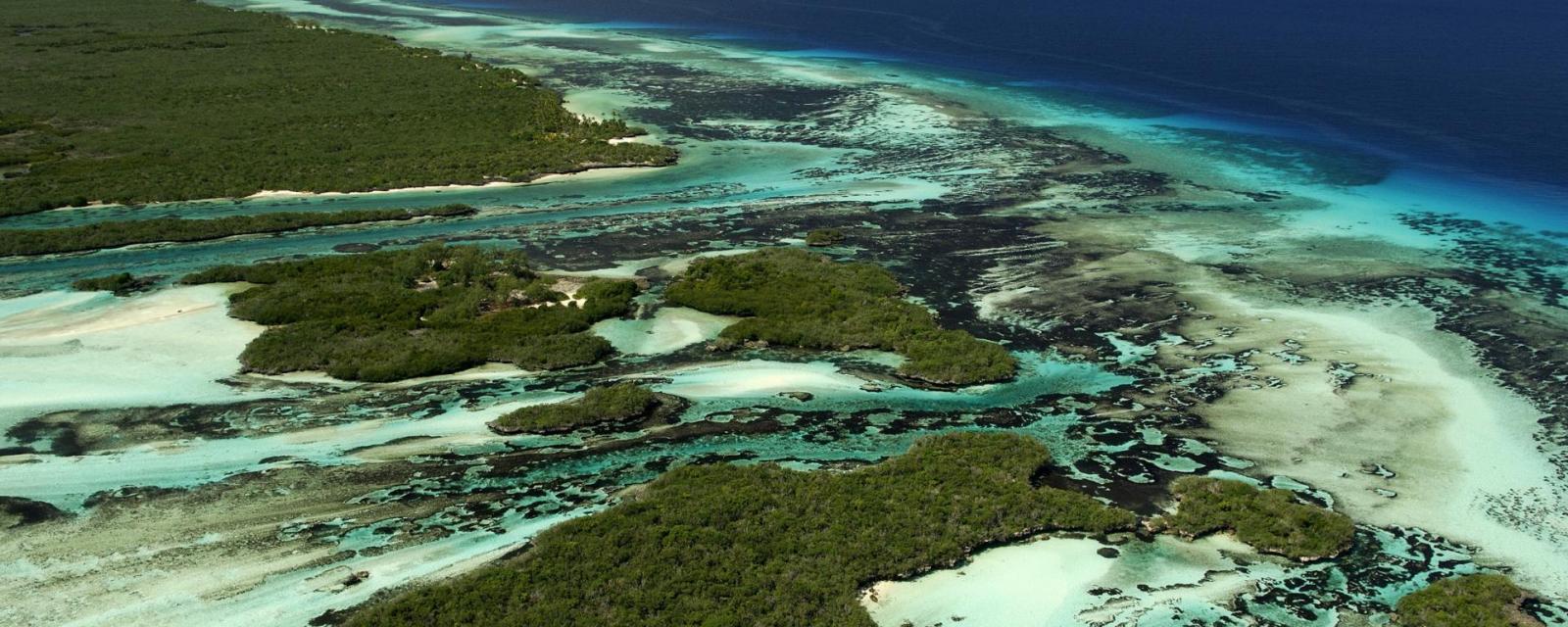
Aldabra is a remote and fragile atoll, designated as a Special Reserve under Seychelles law, SIF operates a limited and strictly controlled tourism policy which supports our objective of protecting the atoll and its biodiversity.
Aldabra Atoll - Scuba & snorkelling regulations
Please download the scuba and snorkelling regulations. Divers and snorkelers are expected to strictly adhere to reserve regulations and follow the rules illustrated in the info graphic.
Aldabra Atoll - Drone Regulations
Please download the Aldabra drone regulations which guests wishing to pilot a drone must follow after obtaining permission to fly from the Island Manager or Tourism Coordinator.
Newsletter signup
Aldabra Atoll
Aldabra was designated a World Heritage Site by UNESCO in 1982 as a prime example of a raised coral atoll and is significantly less disturbed than most other atolls in the Indian Ocean and elsewhere in the world.
ExploreSeychelles Island Foundation
The Seychelles Islands Foundation (SIF), is a non-profit charitable organisation that was established as a public trust by the government of Seychelles in 1979. SIF manages and protects the UNESCO World Heritage Sites of Aldabra Atoll and the Vallée de Mai as well as the Fond Ferdinand nature reserve. It has the President of Seychelles, Dr Patrick Herminie, as Patron.
Vallée de Mai
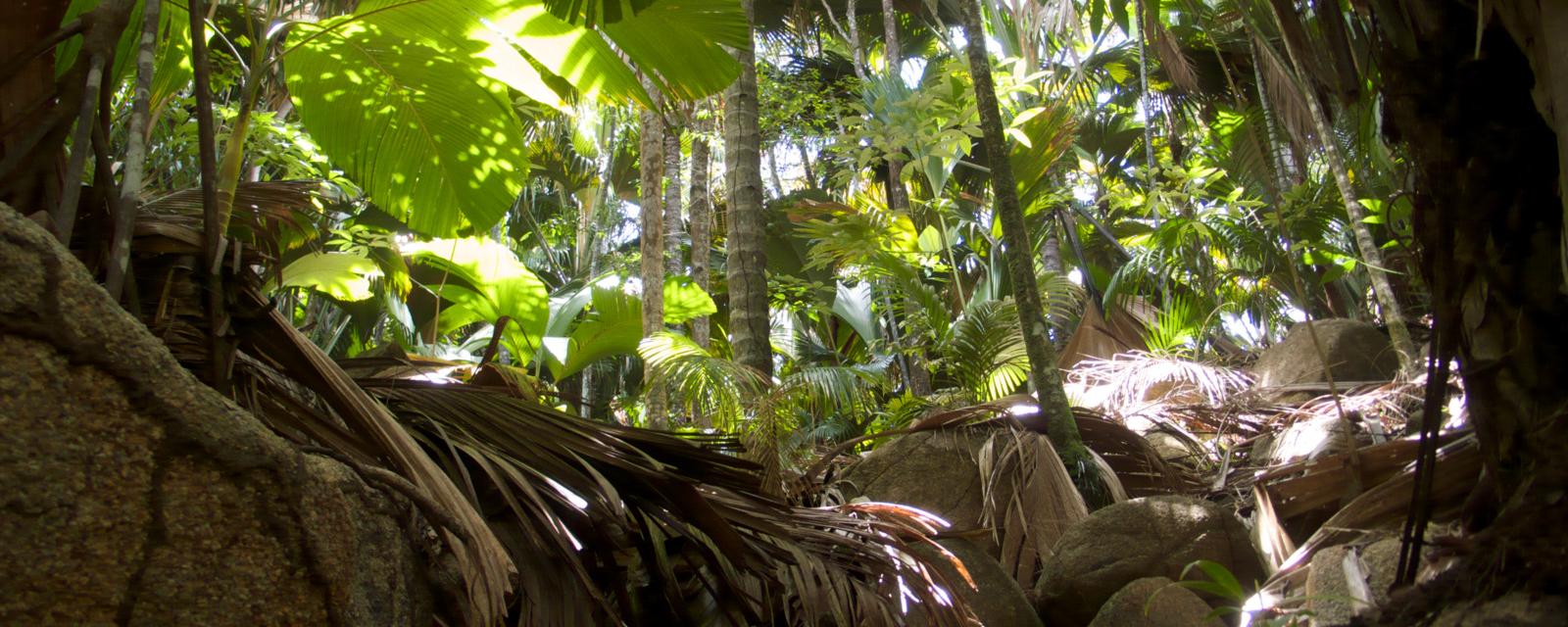
Vallée de Mai is one of the world’s smallest natural UNESCO World Heritage Sites and millions of years of isolation have led to the evolution of many unique species in this forest that are found nowhere else in the world.
Explore


SIF news


Upcoming events
-
16Jan
-
14Feb
-
23May
Latest downloads
-
 06/05/2025
 -
 02/04/2025
 -
 27/07/2020
 -
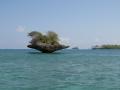 17/07/2020
Meet the team
-
Maria Brioche
 Programme Coordinator
 -
Head of Communications
-
Roderic Mahasoa
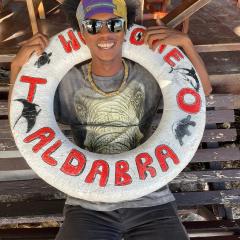 RaCE Feasibility Project Officer
 -
Shanone Hibonne
 Assistant Field Research Officer