



Pub
Home Sitemap    Contact Us

  
ABOUT SIF ALDABRA VALLéE DE MAI GET INVOLVED PUBLICATIONS SCIENCE WEB LINKS DOWNLOADS MERCHANDISE BOARD OF TRUSTEES   
 Importance to science
 
 Information for visiting scientists
 
 Priorities research Aldabra
 
 Priorities research Vallée De Mai
 
 Science and Projects Symposium
 
 
  World Heritage Sites
 
  Aldabra
 
Aldabra was designated a World Heritage Site by UNESCO in 1982 as a prime example of a raised coral atoll and is significantly less disturbed than most other atolls in the Indian Ocean and elsewhere in the world.
 
  Vallée de Mai
 
Vallée de Mai was designated a World Heritage Site by UNESCO in 1983 as an outstanding example of low- and intermediate-altitude palm forest characteristic of the Seychelles.
 
  Home > Science
 
  Print this page Email this article to a friend  

Vallée de Mai and Aldabra atoll World Heritage Sites are areas of spectacular natural beauty where an abundance of rare and interesting species of animals and plants abound. Both these unique areas of amazing biodiversity provide almost endless scope for scientific research.

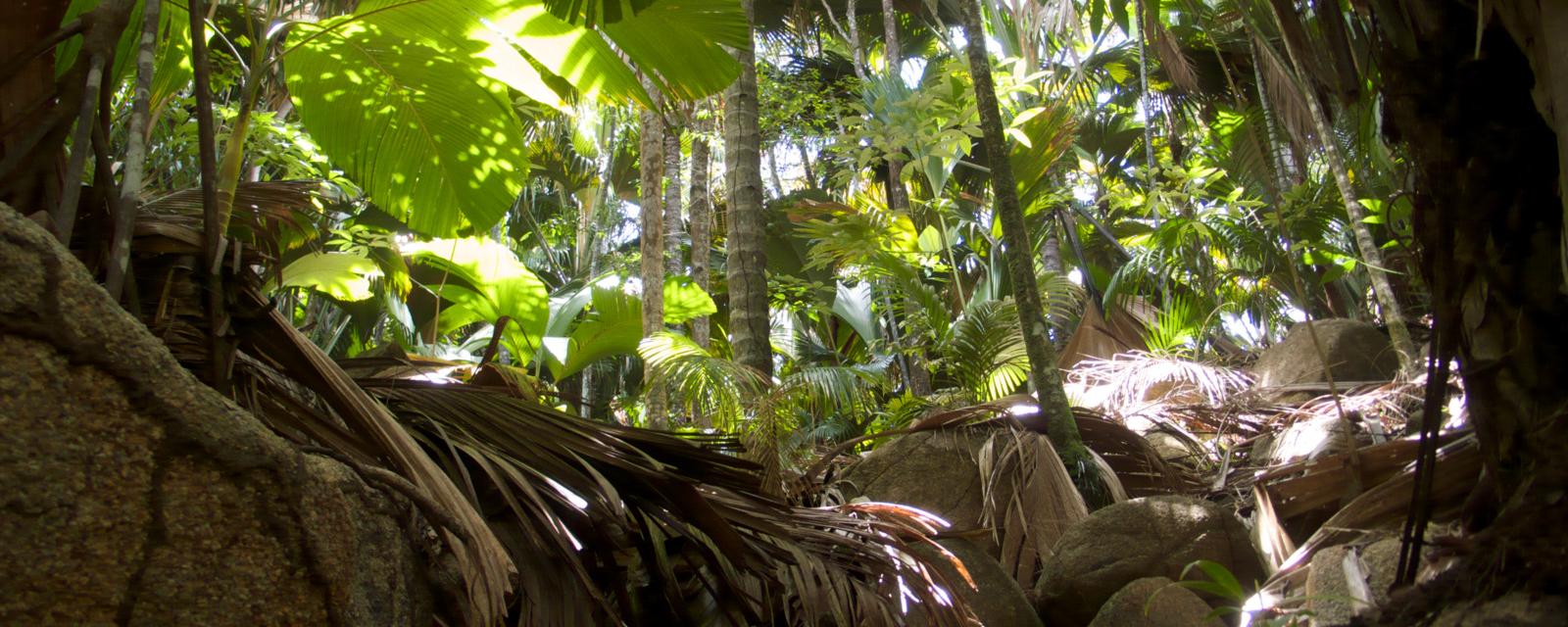
Stronghold of the miraculous endemic Coco de Mer palm, the lush prehistoric forest known as the Vallée de Mai covers an area of 19.5 hectares. Graced by a multitude of unique tropical plant species, the area is also the exclusive home of Seychelles rare Black Parrot. There are only approximately 100-200 pairs of these birds in existence which thrive on the fruits and flowers of the mature palm forest. Some recent research has focused on the conservation and ecology of these fascinating birds and on vegetaton studies. Other key areas of interest include plant and animal biodiversity within Coco de Mer forest, demographic studies of the Coco de Mer palm, fire management and exotic plant species eradication.

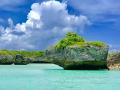
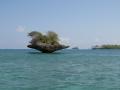
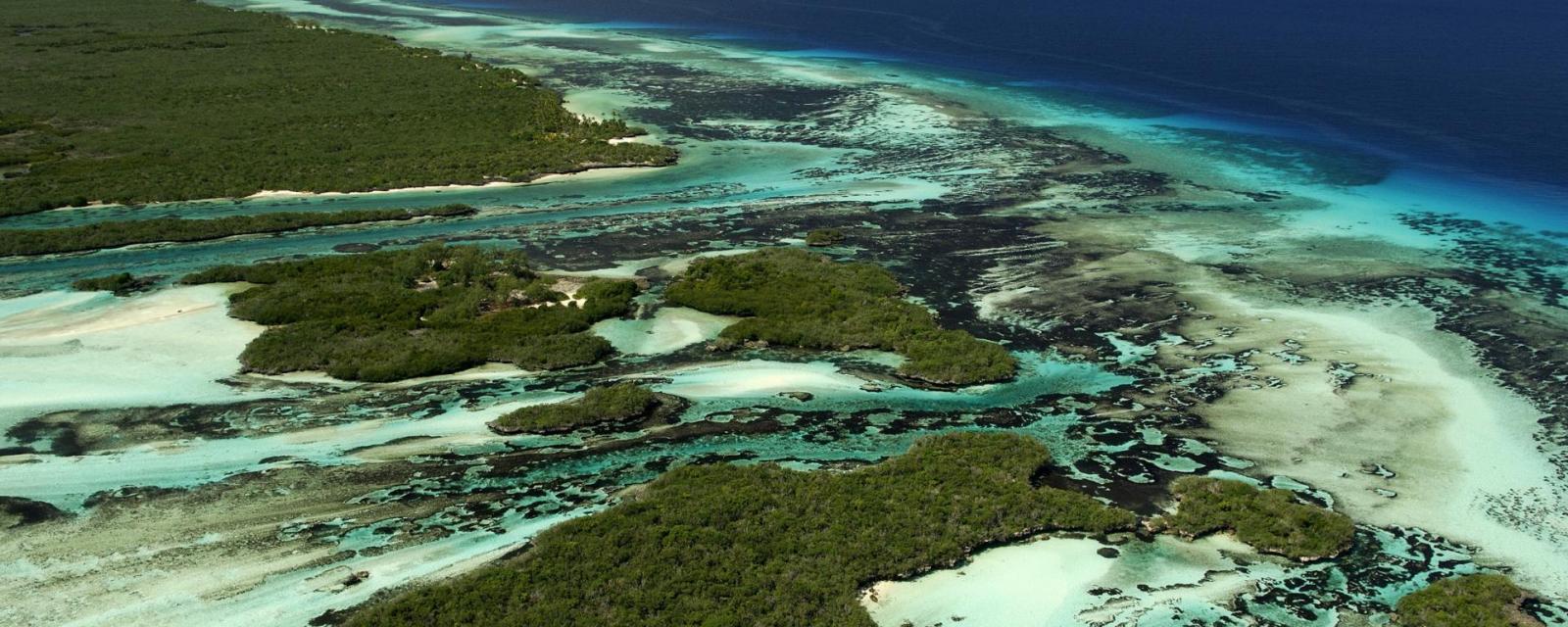
Essentially, the miraculous ecosystems of Aldabra represent a natural laboratory for the study of the processes of evolutionary ecology. The atoll is described by many scientists as an unrivalled platform for scientific discovery.

Naturally, the world’s largest tortoise population estimated at  100,000 is a key area of research. There is much interest in effective tortoise monitoring as well as Hawksbill and Green sea turtle monitoring for which Aldabra is known to be an absolute Mecca.

A recent intensive marine monitoring programme has attracted international scientists to explore cutting-edge issues in the region, in particular, the recent coral bleaching event which affected the Western Indian Ocean to a great extent, has provided significant data for extended research.
Currently, there is a project underway focusing on taxonomic studies of avian species in conjunction with a conservation project aimed at the White-throated Rail, the last of the flightless birds in a region renowned for the now extinct Dodo.

Exotic species eradication is an ongoing concern. One of the upcoming projects is an effective programme for the eradication of goats,and possibly cats and rats, which threaten the wondrous habitats of this biodiversity rich atoll.

 
  Image Gallery


Photos  |  Video  |  360°
 
  Princess Royal visit
 
Princess Royal visits both of Seychelles’ World Heritage Sites and praises nature conservation work. On 30th November and 1st December 2010, the Seychelles Islands Foundation was delighted to welcome and host Her Royal Highness, Anne, the Princess Royal with her husband Admiral Timothy Laurence
 
  NEWS SECTION
 
 SIF RESEARCH AND PROJECTS SYMPOSIUM
 Searching for the elusive giant bronze gecko in the Vallée de Mai
 Aldabra celebrates World Wetlands Day 2011
 Frigate bird survey on Aldabra
 New Camp Built on Malabar
 
 Copyright © 2013 All rights reserved. Seychelles Island Foundation Credits | Disclaimer | Privacy policy | Created and maintained by WEB Seychelles